
It’s a familiar moment for any microcurrent therapy practitioner: a client begins to see amazing results in their sessions, and then the question comes—“Can I get one of these for myself?”
While this can feel like a tricky scenario, especially for new practitioners, the reality is that it doesn’t have to be. In fact, it’s an opportunity.
Embrace the Conversation

Rather than feeling threatened or awkward, practitioners are encouraged to embrace the conversation. Clients becoming curious about owning their own device is a good sign—they’re engaged, empowered, and ready to take charge of their health.
Instead of saying “no” or feeling defensive, the goal should be to guide clients toward the device that suits both their needs and capabilities. Most clients don’t need the most complex tool available—and they’re unlikely to want it.
Basic Devices Work Best for Home Use
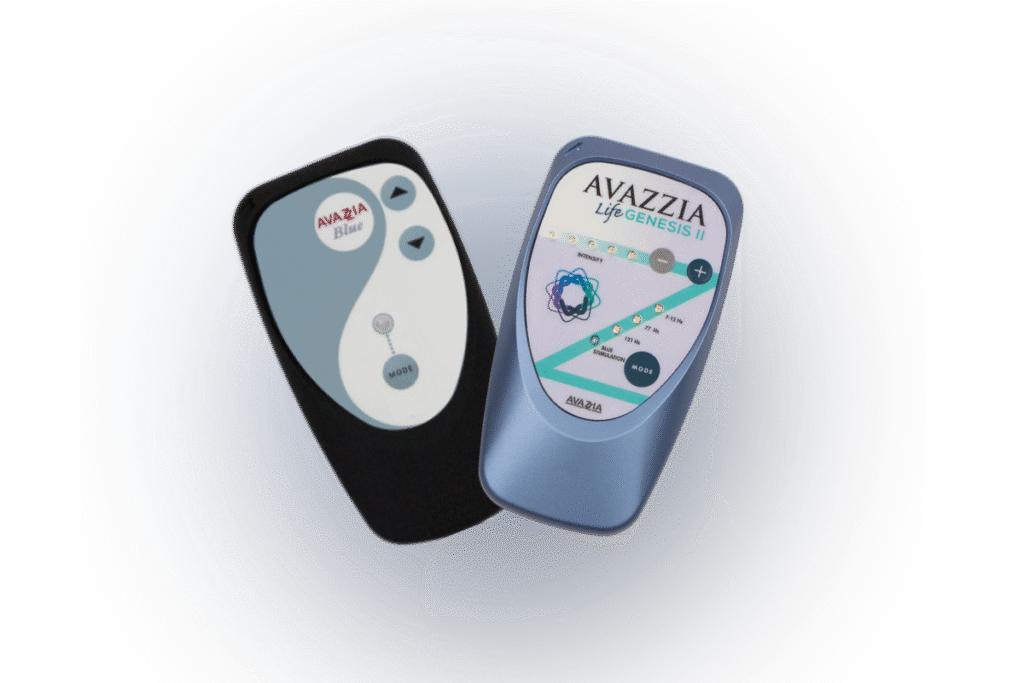
Let’s be honest: while high-end models like the Pinnacle offer 71 programs, they can be overwhelming for most clients. Devices like the Avazzia Blue (2 modes) or Genesis II (4 modes) are often much better suited for home use.
By recommending simpler tools, you empower your clients without sacrificing your role as a practitioner. Many protocols, like the Gynecological Protocol, the Abdominal Protocol, or a complete Three Pathways and Six Points Protocol are too difficult to self-administer and require your hands-on expertise.
The Fear of Losing Clients? A Myth.

It’s a common worry that letting clients purchase a device will cost you their loyalty. But experience shows the opposite: clients who are supported in their self-care journey become raving fans. They come back for advanced treatments and refer their family and friends to your practice.
You don’t lose patients—you deepen relationships and multiply your impact.
Additional Revenue Through Referrals or Distribution
The Sana Institute offers programs for certified practitioners to become distributors or refer products. This means that each client device recommendation can also become a source of income.
Being open to this option is not just good client care—it’s smart business.
Helping Clients Go Beyond the Clinic

A personal device doesn’t mean the end of professional treatment—it’s the beginning of more effective collaboration. When you can assign at-home work (like using their device on a sore ankle), their healing accelerates and their next session with you is even more productive.
Plus, when you’re certified through programs like the Certified Pain Resolution Specialist (CPRS) training, you’re equipped to support clients in holistic ways that go far beyond what a device alone can offer—nutrition, fitness, stress reduction, and more.
When At-Home Treatment Is the Only Option
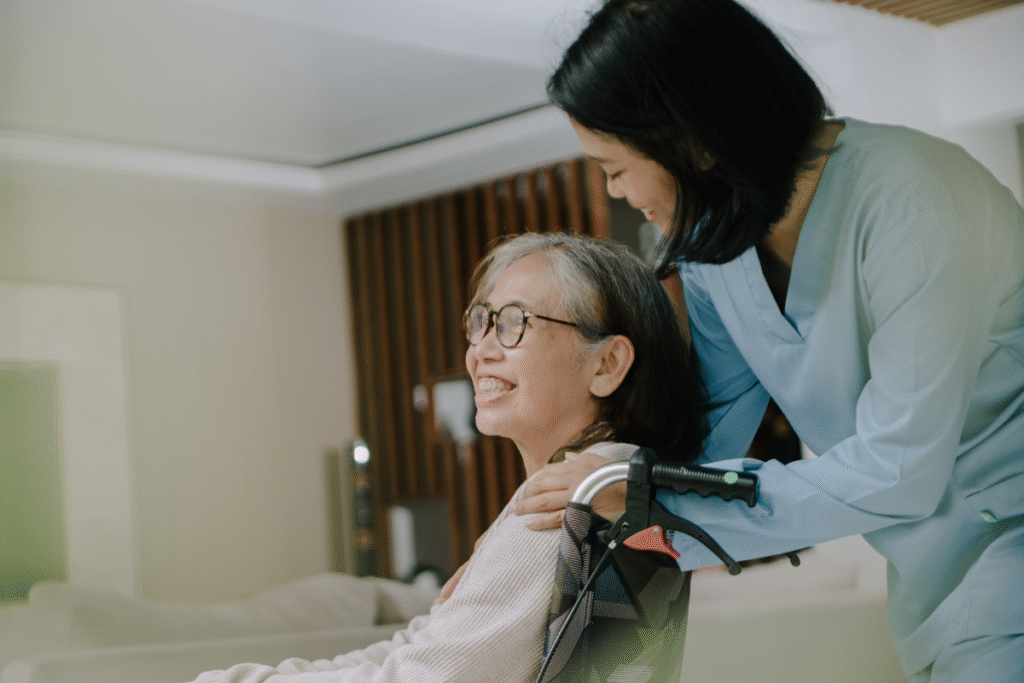
In some cases—such as clients wanting to treat sensitive areas like the eyes—practitioners may not be able to treat them directly due to legal or regulatory concerns. In these scenarios, supporting their at-home treatment becomes the best path forward.
Final Thoughts
When a client wants their own microcurrent device, it’s not the end of your work together. It’s the beginning of a new chapter in care and empowerment. With proper guidance, you not only retain your client, you become a bigger part of their healing journey—both inside and outside the clinic.
For more information on our Partner Program and how to create a revenue stream out of selling devices, please visit https://www.painfreelivinglab.com/partner-program-main

