
One of the most important moments in microcurrent therapy doesn’t happen during treatment.
It happens during the very first conversation.
When a new client hears the word “microcurrent,” they often have immediate questions:
- Is that electricity?
- Is it safe?
- Is it going to hurt?
- Is it the same as a TENS unit?
- Is this real medicine or some alternative therapy?
How you answer these questions can significantly influence whether a client feels confident moving forward.
Unfortunately, many practitioners make one of two mistakes:
They either overwhelm clients with technical explanations, or they provide so little information that trust never has a chance to develop.
The goal isn’t to impress clients with science.
The goal is to help them understand what microcurrent is, why you’re recommending it, and what they can realistically expect.
Why Your First Explanation Matters

Most clients are not looking for a detailed lesson on bioelectricity.
They’re looking for reassurance.
They want to know:
- Is this safe?
- Does it make sense?
- Can it help me?
When practitioners focus on clarity rather than complexity, clients are far more likely to feel comfortable moving forward.
This is especially important because many people have never experienced microcurrent therapy before.
If you’re new to explaining microcurrent, it can help to first understand the foundational benefits of the therapy itself.
Related Reading: Microcurrent Therapy Benefits
https://blog.thesanainstitute.com/microcurrent-therapy-benefits/
The Three Things Every Client Should Understand
A good microcurrent explanation should communicate three key ideas:
1. Microcurrent Is Natural and Safe
Microcurrent uses extremely low-level electrical signals that are similar to the electrical signals already used by the body.
Every cell in the body relies on electrical communication to function properly.
Microcurrent simply works alongside these natural processes.
2. Microcurrent Supports the Body’s Healing Processes
Rather than forcing the body to do something unnatural, microcurrent is designed to support communication between cells, tissues, and the nervous system.
Many practitioners use microcurrent to help support healing, reduce inflammation, and improve overall function.
3. Microcurrent Works Gently Over Time
Microcurrent is not an aggressive treatment.
It is often subtle.
The goal is not intensity. The goal is communication.
This distinction helps clients understand why they may not experience dramatic sensations during treatment.
A Simple Practitioner Script

When clients ask what microcurrent is, consider using a straightforward explanation like this:
“Microcurrent is a very low-level electrical signal that is similar to the kind of electrical communication your body already uses to repair tissue and regulate function. It isn’t a shock and it isn’t muscle stimulation. Instead, it gently supports your body’s natural healing processes by helping cells communicate more effectively.”
Then stop.
Allow the client to respond.
Many practitioners make the mistake of continuing to explain long after the client already understands the basics.
How to Explain the Difference Between Microcurrent and TENS
One of the most common questions clients ask is whether microcurrent is the same as a TENS unit.
The answer is no.
A simple explanation might be:
“A TENS unit uses stronger electrical stimulation to temporarily block pain signals. Microcurrent uses significantly less electrical current and focuses on supporting cellular repair and healing rather than masking symptoms.”
This comparison often helps clients immediately understand why microcurrent feels so different.
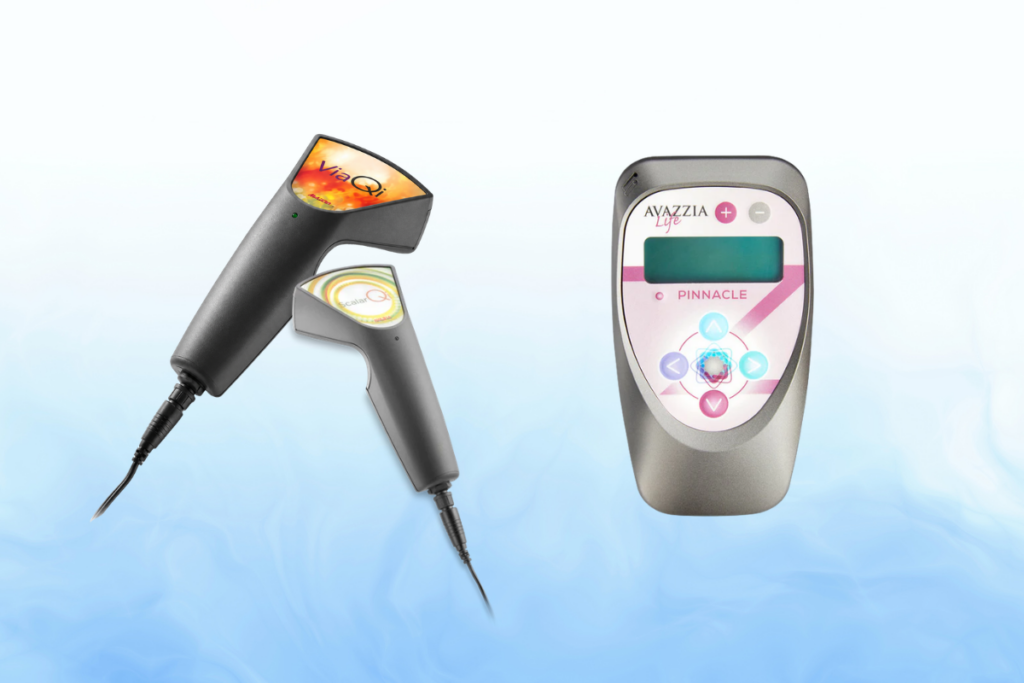
For a deeper understanding of the different devices available to practitioners, see:
Related Reading: Pros and Cons of Avazzia Life Devices
https://blog.thesanainstitute.com/pros-and-cons-of-avazzia-life-devices/
The Battery Metaphor Clients Understand Instantly
Many clients respond well to analogies.
One of the simplest is the battery metaphor.
You might say:
“Think of an injured or inflamed area like a low battery. Microcurrent provides a gentle recharge signal that helps tissues function more efficiently so the body can perform its repair work more effectively.”
Most people understand batteries immediately.
Simple analogies often build confidence faster than technical explanations.
Helping Clients Understand What They May Feel
Another common concern is:
“Will I feel anything?”
The best response is often the simplest.
Most clients feel very little during treatment. Some notice a mild tingling sensation, while others feel almost nothing at all.
That doesn’t mean the treatment isn’t working.
Many benefits are noticed later, including:
- Better sleep
- Improved mobility
- Reduced discomfort
- Greater relaxation
- Improved nervous system regulation
This helps prevent the common assumption that “if I didn’t feel it, it didn’t work.”
Setting Realistic Expectations Without Making Promises
One of the most important responsibilities practitioners have is managing expectations.
Avoid guarantees.
Instead, explain:
“Microcurrent isn’t forcing your body to do anything. It’s supporting your body’s natural communication systems. Results depend on factors such as consistency, overall health, and what your body needs most at the time.”
This builds trust while maintaining realistic expectations.
For practitioners working with chronic conditions, long-term planning and realistic expectations are essential.
Related Reading: Designing Annual Care Plans for Chronic Illness Clients
https://blog.thesanainstitute.com/annual-care-plan-chronic-illness-clients/
Bringing the Explanation Back to the Client
The strongest elevator pitches always return to the client’s specific concern.
For example:
“In your case, we’re using microcurrent to help calm the nervous system, reduce inflammatory stress, and support tissue repair so your body can move out of protection mode and back into healing mode.”
Clients want relevance.
They care less about theory and more about how the treatment relates to their goals.
Frequently Asked Questions
Is microcurrent therapy safe?
Microcurrent therapy is generally considered a gentle modality when used appropriately. Practitioners should always review contraindications and client history before treatment.
Is microcurrent the same as a TENS unit?
No. TENS devices primarily focus on blocking pain signals, while microcurrent focuses on supporting cellular communication and healing processes.
Will I feel the treatment?
Many clients feel very little. Some experience mild sensations, while others notice the benefits later rather than during the session itself.
How long does it take to see results?
Results vary depending on the individual, the condition being addressed, and consistency with treatment recommendations.
Final Thoughts
Explaining microcurrent therapy doesn’t require a lengthy scientific presentation.
The best explanations are simple, calm, and relevant.
Help clients understand that microcurrent is:
- Natural
- Gentle
- Supportive of healing
- Focused on communication rather than force
When clients understand these principles, they are more likely to feel confident, ask meaningful questions, and engage fully in the healing process.
Continue the Conversation
Want to watch the full training from Dr. Rob?
👉 Watch the full 10-Minute Training:
https://vimeo.com/1200247757/a06cce1e14?share=copy&fl=sv&fe=ci
Looking to connect with other practitioners using microcurrent therapy in their practices?
👉 Join The Sana Institute Practitioners’ Circle:
https://www.facebook.com/groups/thesanainstitute

